

Fashion Activism Is Wearing What You Stand For
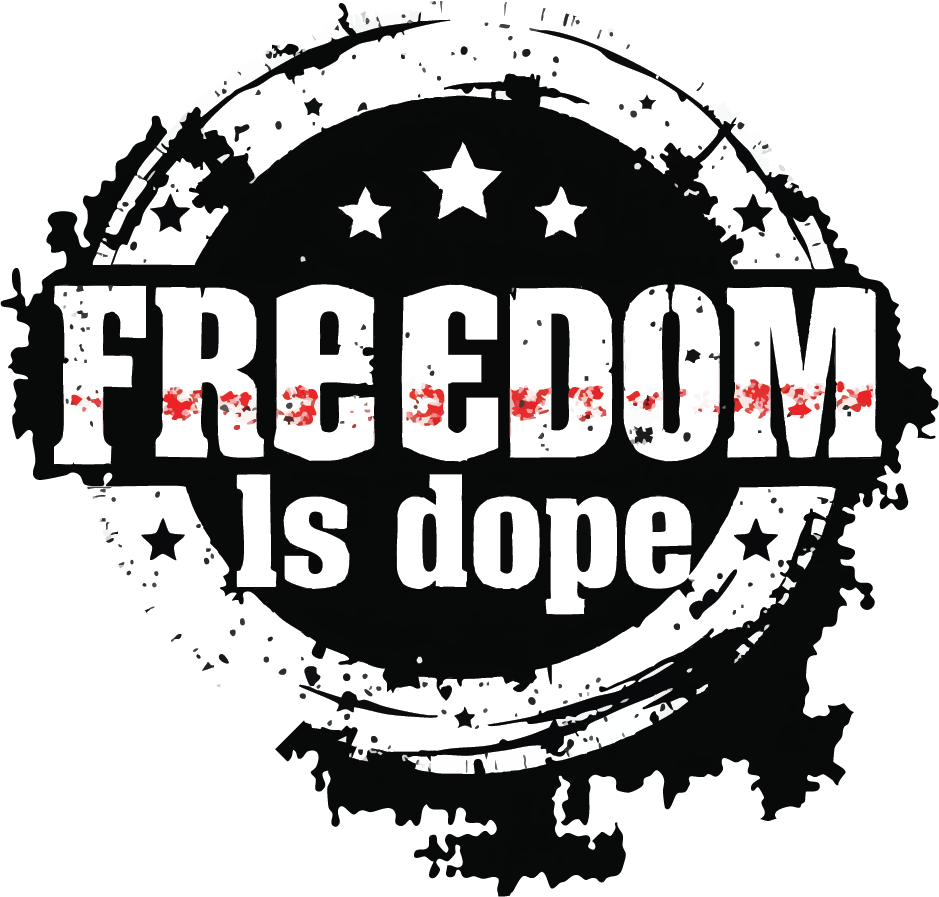
A graphic tee can say what a whole room expects you to keep quiet.
That is the power of fashion activism. It is not about chasing attention or pretending every outfit can solve a crisis. It is about choosing to show up in a way that makes your values visible. Your clothes can carry truth, challenge shame, celebrate identity, and remind somebody else that they are not alone.
What you wear has always been part of the conversation. The question is whether you are letting other people write the message for you.
Fashion Activism Makes Your Values Visible
Fashion has never been just fabric. It has been a language for people who were told to be smaller, quieter, more acceptable, or less themselves. From protest buttons and movement uniforms to pride colors, natural hair statements, and streetwear rooted in community, people have used style to claim space before they were ever handed a microphone.
Fashion activism continues that tradition. It turns a personal choice into a public signal. A message on your chest can say, “I choose peace.” It can say, “My mental health matters.” It can say, “I belong here exactly as I am.” For the person wearing it, that message can be an anchor. For the person reading it, it can be a needed sign of recognition.
That does not mean every meaningful look has to be loud. Some people activate through bold graphics, bright colors, and words that cannot be ignored. Others make intentional choices through thrifted pieces, independent brands, cultural garments, or clothing that refuses rigid rules about gender, body type, or respectability. The point is not one aesthetic. The point is intention.
Wear the message. Mean it when you do.
A Statement Is Stronger When It Has Substance
A powerful shirt is a beginning, not a finish line. If you wear a message about unity while treating people around you with disrespect, the message loses weight. If you post about self-love but make your friends feel small, people notice. Fashion activism works best when what you wear and how you move are connected.
That is not a call for perfection. Nobody gets every conversation right. Nobody lives up to every value without missing a step. It is a call for alignment. Let the message on your shirt challenge you, too. Let it remind you to speak with care, listen when you are wrong, protect your peace, and make room for people whose experiences are different from yours.
There is also a real difference between activism and performance. A viral outfit can create awareness, but awareness alone is not always action. Ask yourself what happens after the photo, after the event, after the compliments. Do you learn more? Support a local artist? Check on a friend? Spend with businesses that treat people fairly? Stand up when a joke crosses the line?
Your clothes do not have to carry the entire movement. They can help carry the conversation.
The Personal Is Political, Even on a Regular Day
Not every act of freedom happens on a stage. Sometimes it is wearing the shirt that makes you feel seen when you are walking into a space that has made you doubt yourself. Sometimes it is refusing to dress for someone else’s comfort. Sometimes it is choosing a message that reminds you to breathe, heal, or keep going.
For people navigating pressure around race, gender, sexuality, body image, faith, class, or mental health, getting dressed can be more than routine. It can be negotiation. Will this make people stare? Will this invite comments? Will I be judged before I speak?
Those concerns are real, and nobody owes the world a bold statement every day. Safety matters. Privacy matters. Your energy matters. Fashion activism is not a test of who can be the loudest or most visible. You get to choose when to speak through style and when to keep your message close to your heart.
Freedom means having that choice.
Still, there is something powerful about a garment that meets you where you are. On a good day, it can amplify your confidence. On a hard day, it can lend you a little of its courage. A simple phrase can become a personal standard: move freely, live bold, choose love, tell the truth.
Fashion Activism Needs Community, Not Just Followers
A statement gains power when it connects people. That is where fashion moves beyond individual expression and becomes culture. You see someone in a message that matches what you believe, and suddenly there is a small moment of understanding. No introduction required.
Community does not require everyone to look the same, vote the same, create the same art, or agree on every issue. Real unity leaves room for complexity. It asks us to recognize each other’s humanity without demanding sameness. The strongest movements are not built on matching outfits. They are built on shared care, honest dialogue, and people who show up for one another when it counts.
That is why slogans matter when they are rooted in action. “Love” should make room for accountability. “Peace” should not mean staying silent about harm. “Freedom” should include the freedom of other people to exist, speak, and live without being pushed to the margins.
At Freedom Is Dope, the message is simple: the dopest thing you can wear is freedom. Not freedom as a vague idea. Freedom to be emotionally honest. Freedom to reject labels that do not fit. Freedom to take up space with love, clarity, and self-respect.
Choose Better, Not Perfect
People often reduce fashion activism to what you buy. Buying choices matter, but they are not the only measure of your values. Not everyone has the same budget, access, sizing options, or time to research every brand. Shame is not a strategy for building a more conscious culture.
Start where you can. Wear what you already own with purpose. Repair a favorite piece instead of tossing it. Trade clothes with friends. Support independent creators when your budget allows. Read the message before you wear it and make sure it represents something you can stand behind. If a brand talks about empowerment, pay attention to whether its actions and treatment of people match its words.
There are trade-offs. A cheap shirt may be more accessible, while a carefully made piece may cost more. A major brand may have reach, while a small brand may have deeper roots in a specific community. There is no single purchase that makes someone fully conscious. The goal is not purity. The goal is to make more intentional choices over time.
And remember: fashion activism includes how you treat your own body. You do not need to earn the right to wear what makes you feel powerful. You do not need a certain shape, income, follower count, or level of cool to claim personal style. Your body is not a problem to dress around. It is a life to dress for.
Let What You Wear Open a Door
The best fashion activism does not end with, “Look at me.” It reaches toward, “You can be free, too.” It invites conversation without demanding applause. It makes space for another person to tell the truth about what they carry.
So wear the tee that says what you believe. Wear the color that lifts your mood. Wear the message that keeps you grounded when the world gets loud. Then back it up with how you love, how you listen, and how you show up.
Your next outfit does not need to change everything. It can change one moment: yours, or somebody else’s. That is enough reason to wear it with purpose.


Comments